About
Giving back through storytelling
Giving back to the community has been a core part of Wild Tame’s philosophy since the beginning. It was also an important factor in how the company was founded and how it grew in its early years.
As Wild Tame has developed, our ability to contribute in meaningful ways has grown with it. In 2025, we made a deliberate decision to focus our time, energy, and resources on Japan’s Noto Peninsula. The region had endured an exceptionally difficult year following the devastating earthquake on January 1, 2024, and was later struck by torrential rains that caused severe flooding and landslides across ground already weakened by the earlier quake.
Over the course of the year, Wild Tame invested in the production of three documentary films connected to social impact and community resilience:
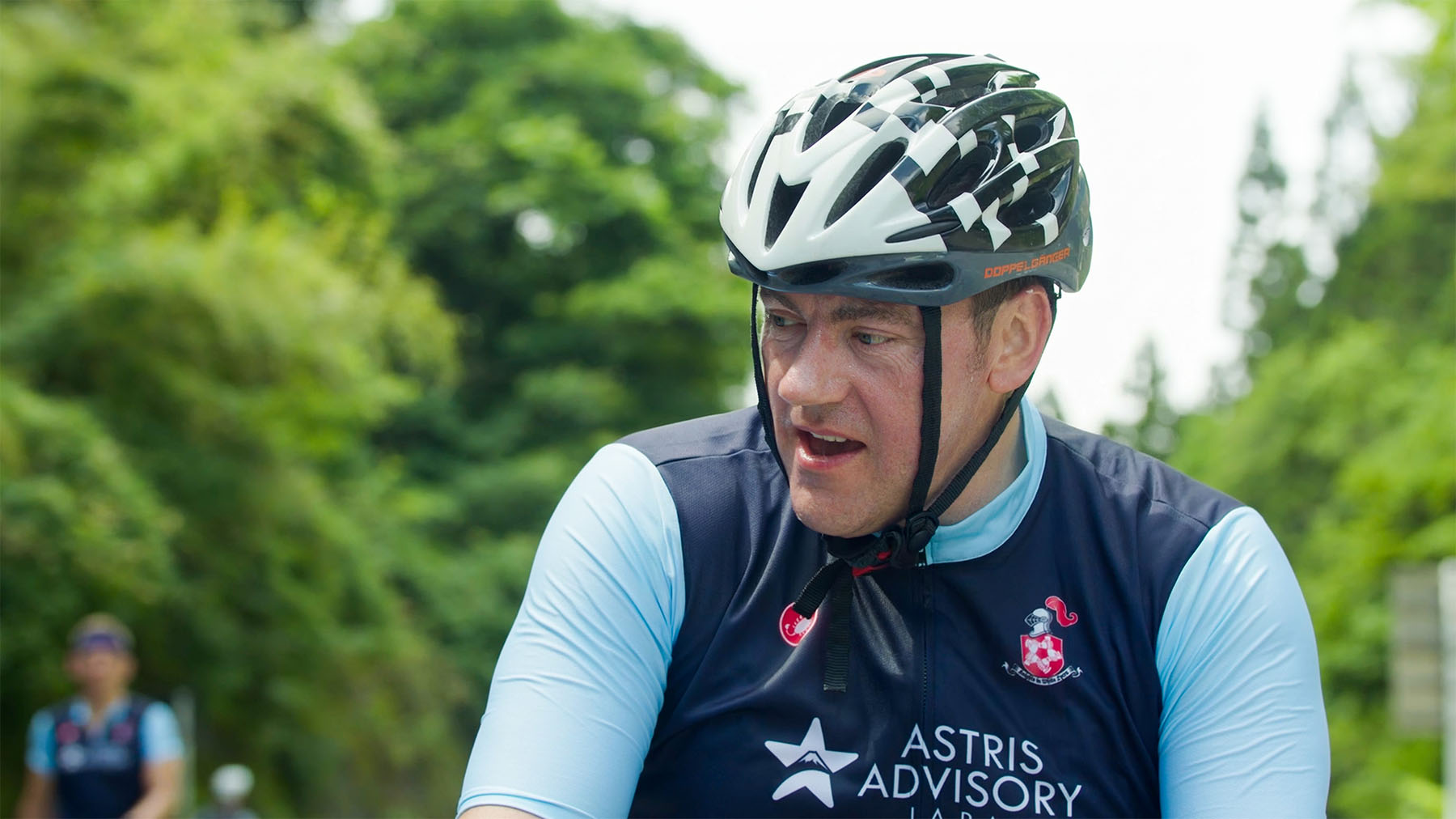
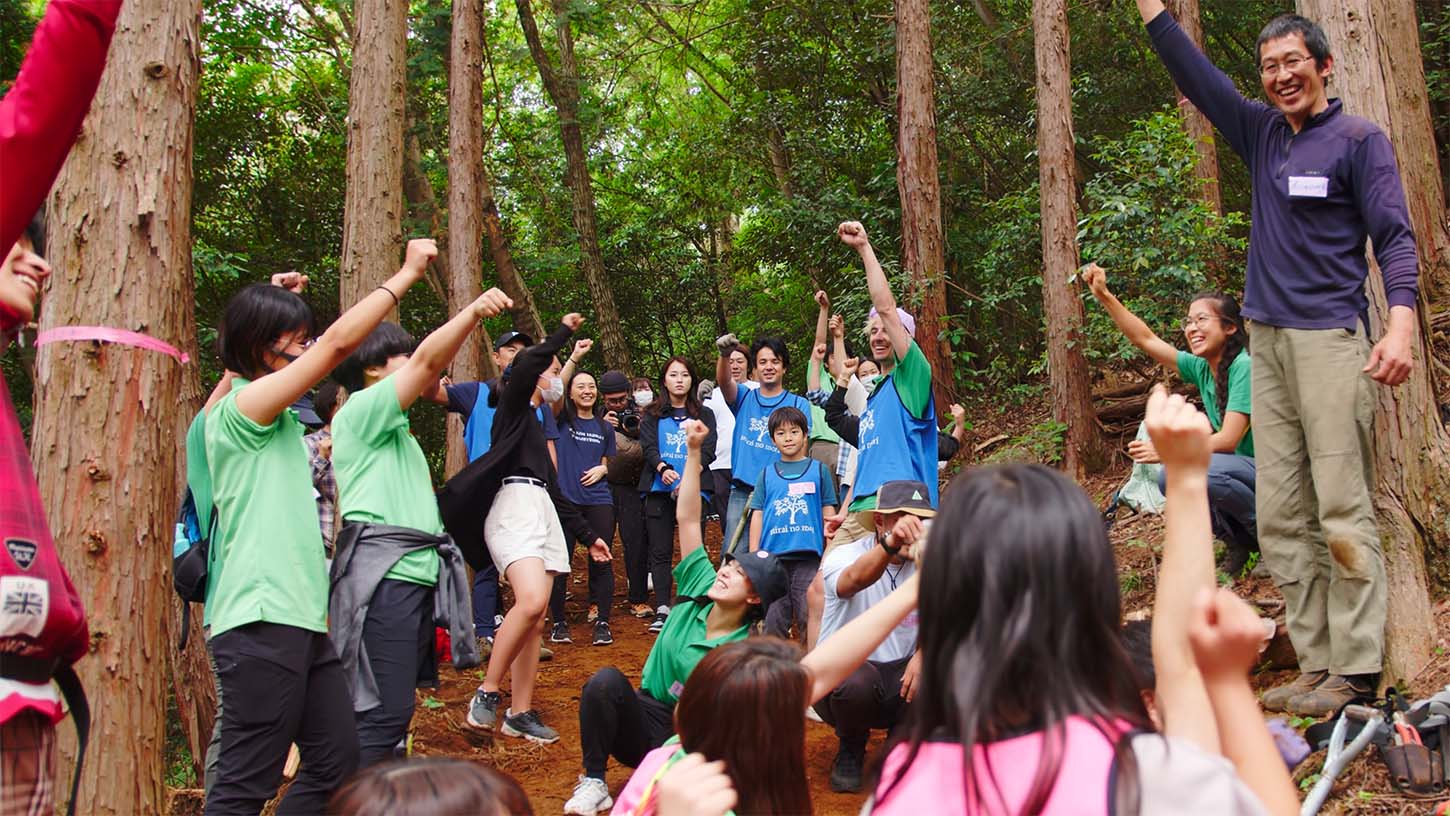
- Coverage of the Knights in White Lycra four-day charity cycling challenge, supporting our long-term partner Mirai no Mori, which empowers young people from Japan’s care system
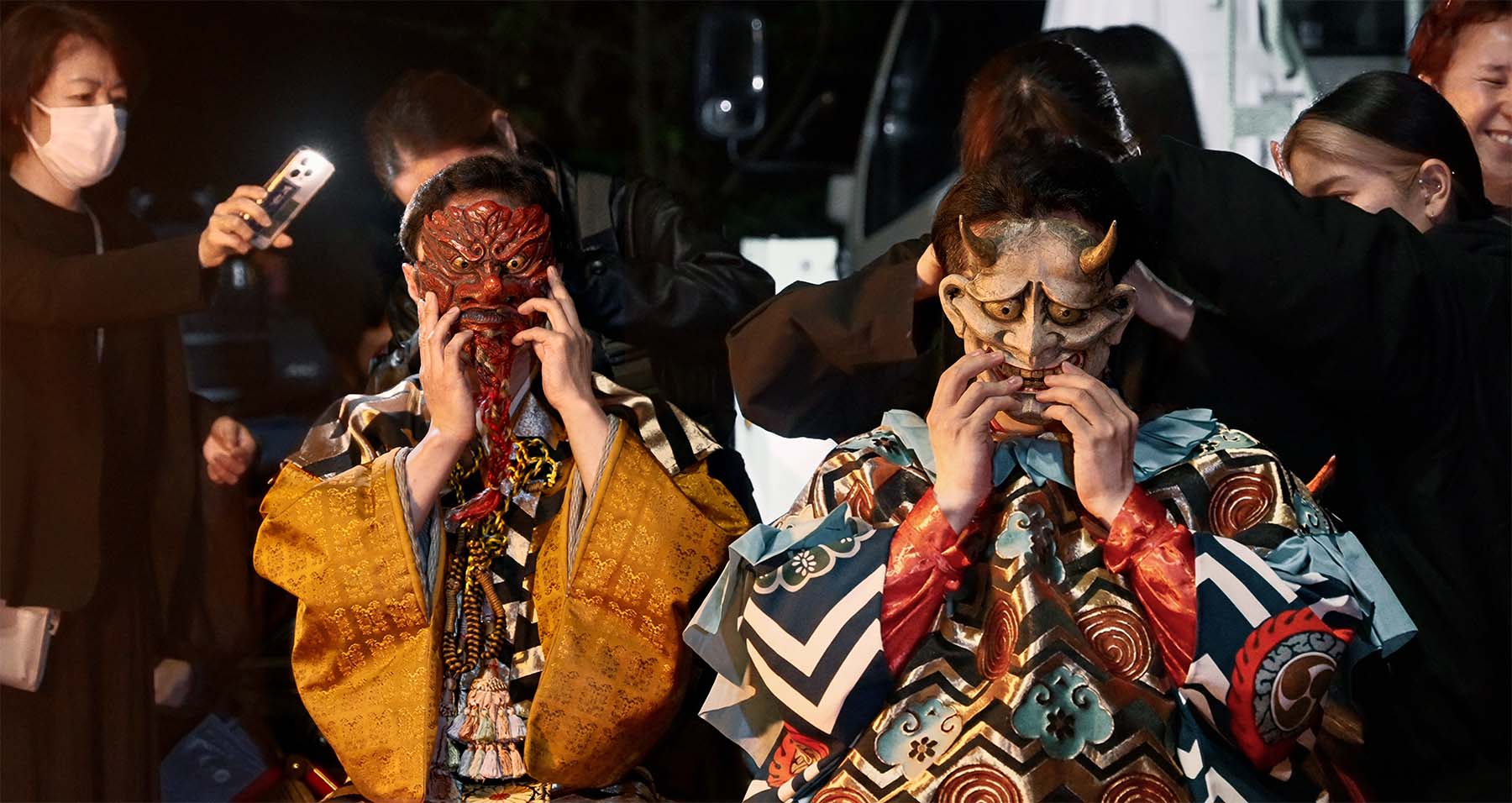
- A forthcoming short documentary on the legendary fire festival in the city of Noto
- A Place to Return To, a short documentary focused on the creation of Home-for-All Noroshi
Being able to support work like this is a source of genuine pride for us. Storytelling is our craft, and film is our medium. Using those skills to highlight people, places, and initiatives that deserve greater attention feels like a natural extension of why Wild Tame exists.
We owe a great deal to the community that has supported us over the years. This project is one small way of expressing our gratitude.
About the production of A Place to Return To
Our involvement with A Place to Return To began in late 2024, when we reconnected with friends at Klein Dytham architecture during the British Business Awards. It was there that we first learned of plans to build a Home-for-All in Noroshi, a small and remote village at the northernmost tip of the Noto Peninsula.
Soon after, we travelled to Noroshi with Mark Dytham and the Klein Dytham team, volunteering to shovel mud from damaged homes, repair paper screens, and spend time with local residents in a school that had been repurposed as an evacuation centre. The scale of the devastation was confronting. Mountainsides had collapsed, land had shifted, and homes had been destroyed by forces far beyond human control.
Over the following nine months, the Wild Tame team returned to Noroshi many times. We documented the construction of the new community centre and spoke with a wide range of people, from local residents and community leaders to architects, supporters, and volunteers. With each visit, our connection to the place deepened. We were consistently struck by the quiet resilience, generosity, and resolve of the people we met.
Bringing these experiences together into a short documentary was not simple. Noroshi’s story contains many layers, including personal memory, architectural intent, collective trauma, and uncertainty about the future. Our hope is that A Place to Return To presents these elements as a coherent and honest portrait of a community defined not only by loss, but by determination and care.
While the film documents a specific moment in Noroshi’s recovery, its relevance extends beyond one village. It offers an example, however modest, for other communities in Japan and elsewhere that are facing population decline, isolation, or the long aftermath of natural disaster.
We also hope the film helps raise awareness of the beauty of the Noto Peninsula, and encourages people to visit and support the region as it continues to rebuild.
About Home-for-All and the film
Released on January 1, 2026, to mark the second anniversary of the Noto earthquake, A Place to Return To is a short documentary by Wild Tame that follows the creation of the Home-for-All Noroshi building designed by Klein Dytham architecture.
Home-for-All is an NPO founded after the 2011 Great East Japan Earthquake by Pritzker Prize laureate Toyo Ito, together with a group of architects, artists, and thinkers. The initiative is based on a simple but important idea: recovery is not only about rebuilding houses, but about restoring places where people can gather, share meals, talk, rest, and feel a sense of belonging.
Since then, Home-for-All projects have been realised in disaster-affected regions across Japan, each shaped by local culture, participation, and care.
Filmed over many months, A Place to Return To documents not only the making of a building, but the slow and human process of recovery that unfolds around it. Through everyday conversations, shared work, and moments of reflection, the film captures how a community begins to regain a sense of stability and connection.
More than a record of reconstruction, the film reflects the strength and dignity of the people of Noroshi, and the role that thoughtful, community-led architecture can play in supporting recovery over time.
Credits
Producer/Drone operator: Joseph Tame
Director/Editor/Camera operator: Hope Davison
Assistant Director: Nanako Senda
Assistant Producer: Liz Cen
Camera operator/Colorist: Mario Elfadi
Animation: Marco Pavesi
Graphics: Masaki Finch
Audio Mastering: Sherina Hardy
Additional editing support: Michelle Madden
Additional support: Shoko Niimiya, Nonno Iijima, Jonathan Gallagher